


Time management sounds simple until you’re in it.
Even when you plan your day, there’s a lot you don’t see coming. You’re reacting to sales pings, fixing something that broke, jumping into calls you didn’t expect, and still trying to move real work forward.
That’s why structure matters more than discipline.
There’s research showing CEOs don’t rely on willpower, they rely on how their time is shaped. Left alone, the calendar fills with noise.
You don’t notice it happening. You just end the day wondering where it went.
And the baseline isn’t great to begin with. RescueTime found people check email or IM every 6 minutes and spend around 40% of their day in communication tools. That leaves under 3 hours of actual focused work.
If you’re running anything, even a small team, that gap hits harder.
This article tells you how to make sure the work that matters actually gets done.
Why is Entrepreneurial Time Management Challenging?
The biggest problem is context switching.
Eric Yohay, CEO and Founder of Outbound Consulting, works closely with founders who struggle to stay focused once their day starts filling with reactive work.
He says, “Most people don’t realise how much of their day is decided for them after the first interruption. One Slack message turns into three conversations, then a call, and suddenly the work they actually planned never happens. The problem isn’t workload, it’s that nothing is protected.”
You’re moving between sales, product, hiring, and support. Every switch costs you. The American Psychological Association puts that cost at up to 40% of productive time.
You feel it as friction. Slower thinking, more mistakes, and tasks that should take 20 minutes are dragging on for an hour.
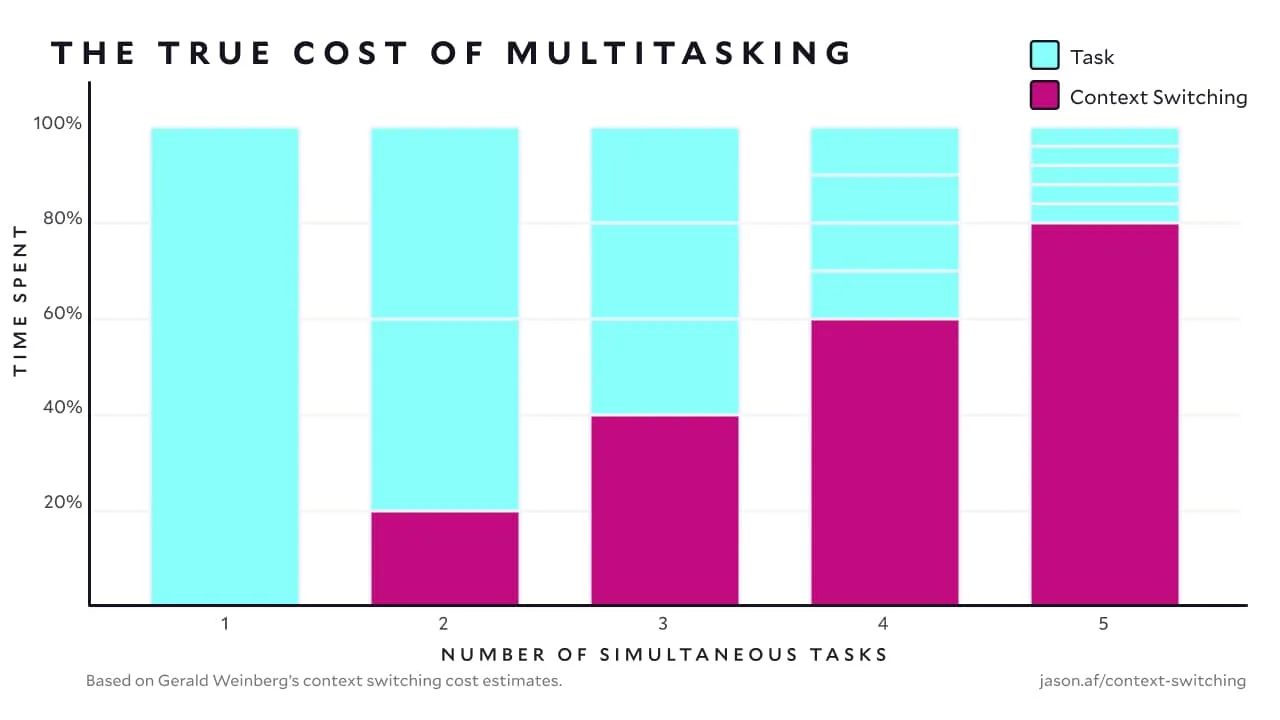
Interruptions make it worse. Once you’re pulled out of something, getting back in isn’t instant. It takes time. And most days, you never fully get back in.
Then there’s decision fatigue. Which feature to prioritize? Do you respond now or later? It adds up, so by the end of the day, you start defaulting instead of deciding.
That’s when bad choices creep in.
Key Principles of Effective Time Management
Most advice overcomplicates things. It comes down to a few decisions you actually stick to.
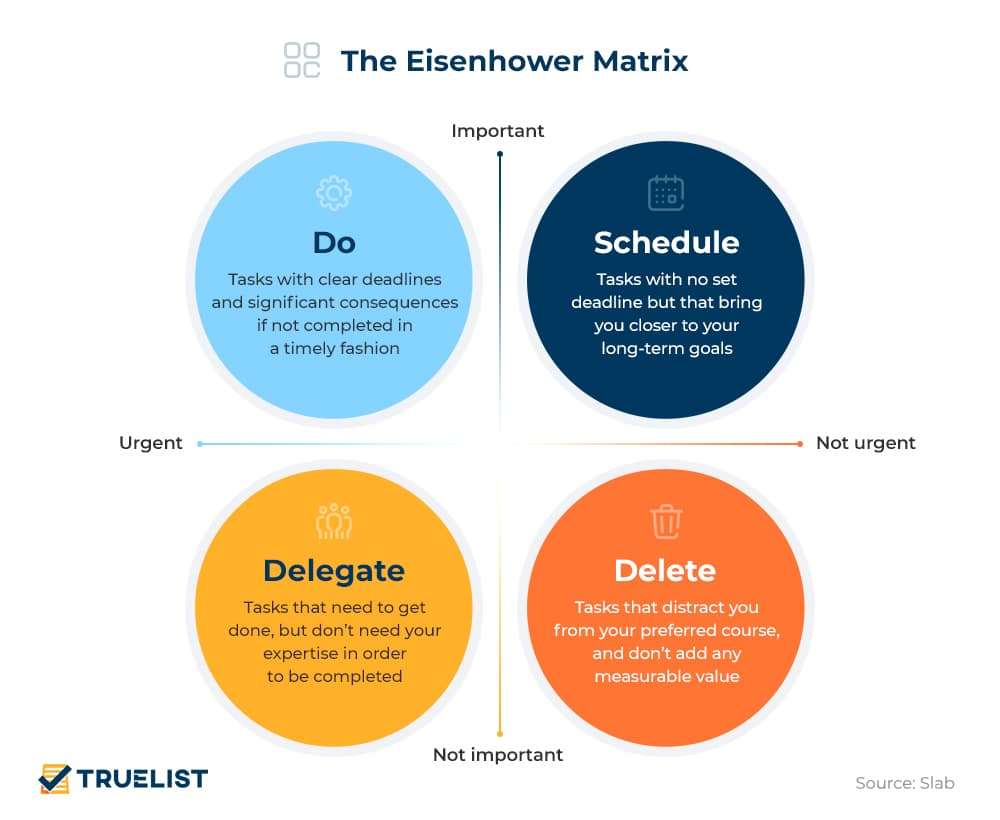
Prioritize aggressively
Prioritization is about deciding what doesn’t get done. If your day is full of “important but not critical” work, you’ll stay busy and stall at the same time.
High-impact work is usually obvious:
- Revenue-driving activities
- Strategic decisions
- Building something that compounds
Everything else is easier to justify than to remove. You have to remove it anyway.
Set SMART goals
Useful, but only if you use them to filter work, and be specific. If something doesn’t move a defined goal forward, it shouldn’t be in your prime hours.
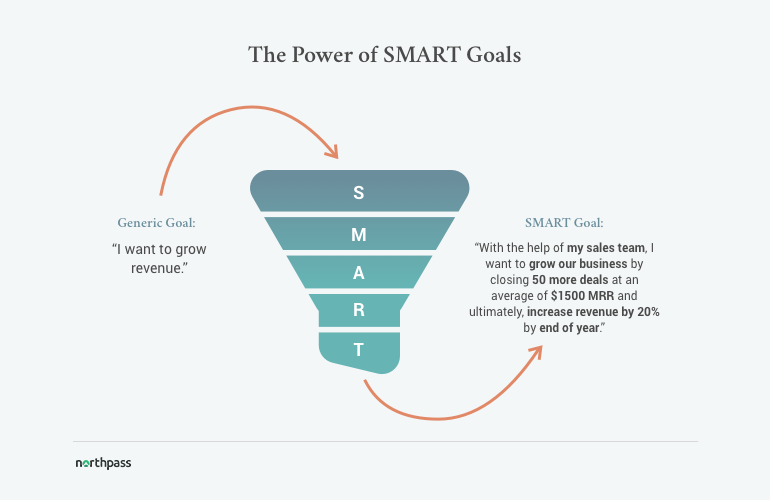
Otherwise, your day fills with tasks that feel productive but don’t change outcomes.
Delegate what you can train for
This is where most people slow themselves down. Most don’t want to let go properly. Handing off tasks isn’t enough. You have to hand off outcomes and train your employees to do what you can do.
Set clear expectations and a definition of done. Then step back.
If everything still routes through you, you’re the bottleneck. No system can fix that.
Block your time
Assign a time for important work. You assign it a place.
Mornings are usually where this matters most. That’s when your energy is intact. If that time gets eaten by calls or Slack, the rest of the day becomes reactive.
Batch everything shallow. Email, Slack, quick approvals. Keep them contained.
Bryan Henry, President of PeterMD, works in a field where long-term outcomes depend on consistency, not intensity.
He says, “What most people get wrong is thinking effort compounds on its own. It doesn’t. Only consistent inputs do. We see patients who are disciplined for a week, then inconsistent for a month, and the results stall. It’s the same in business. If your schedule doesn’t enforce repetition, you end up relying on motivation, and that’s where things break down.”
Exploring Calendar Systems for Entrepreneurs
The tool matters less than how you use it. But the wrong setup will still trip you up.
Paper-based calendars are great for weekly planning, stepping back, and mapping out priorities. Writing things down slows you just enough to make better decisions.
There's also evidence that writing by hand can improve understanding and memory. But you can’t set reminders or make quick changes. No coordination with a team.
Digital calendars are fast, searchable, and easy to share across devices and time zones. They integrate with your tools and make rescheduling painless. The catch: easy to overbook, and notifications can pull you around if you don't set boundaries.
Some popular apps:
Google Calendar:
- Excellent sharing, fast scheduling links, strong integration, color-coding, natural and language input.
- It can get crowded, the default settings may over-notify, and you have limited built-in analytics.
Outlook Calendar:
- You get deep Microsoft 365 integration, strong enterprise features, and a scheduling assistant for complex meetings.
- The setup can feel heavy, and personal/work separation isn't as clean without careful configurations.
What Actually Matters in a Calendar System
You need:
- Control over who can book time
- Default buffers so meetings don’t stack
- Clear visibility of where time is going
- Minimal notifications
Wade O’Shea, Founder of BusCharter.com.au, runs a business where coordination across moving schedules, routes, and teams depends on tight control over time.
He says, “When you’re managing multiple bookings at once, small timing gaps turn into real operational problems. If you can’t see exactly where your time is going, you start reacting instead of coordinating. That’s when things fall apart.”
Popular Time Management Tools and Apps
Most tools fail because they become another place to check.
- Project management tools: Use them as a source of truth. If your calendar is full of tasks instead of time-bound work, it stops working.
- Time tracking apps: A one-week audit is usually enough to see the gap between what you think you’re doing and what’s actually happening. Random Slack checks. Tasks stretching longer than expected.
- Focus tools: Timers help. But only if the environment supports them. If you’re still checking messages mid-session, the timer doesn’t matter.
Sometimes the simplest fix is physical, phone in another room.
How To Put This Into Action
You don’t need a full system on day one. Start small, but do it properly.
1) Run a time audit
Track your time for a week.
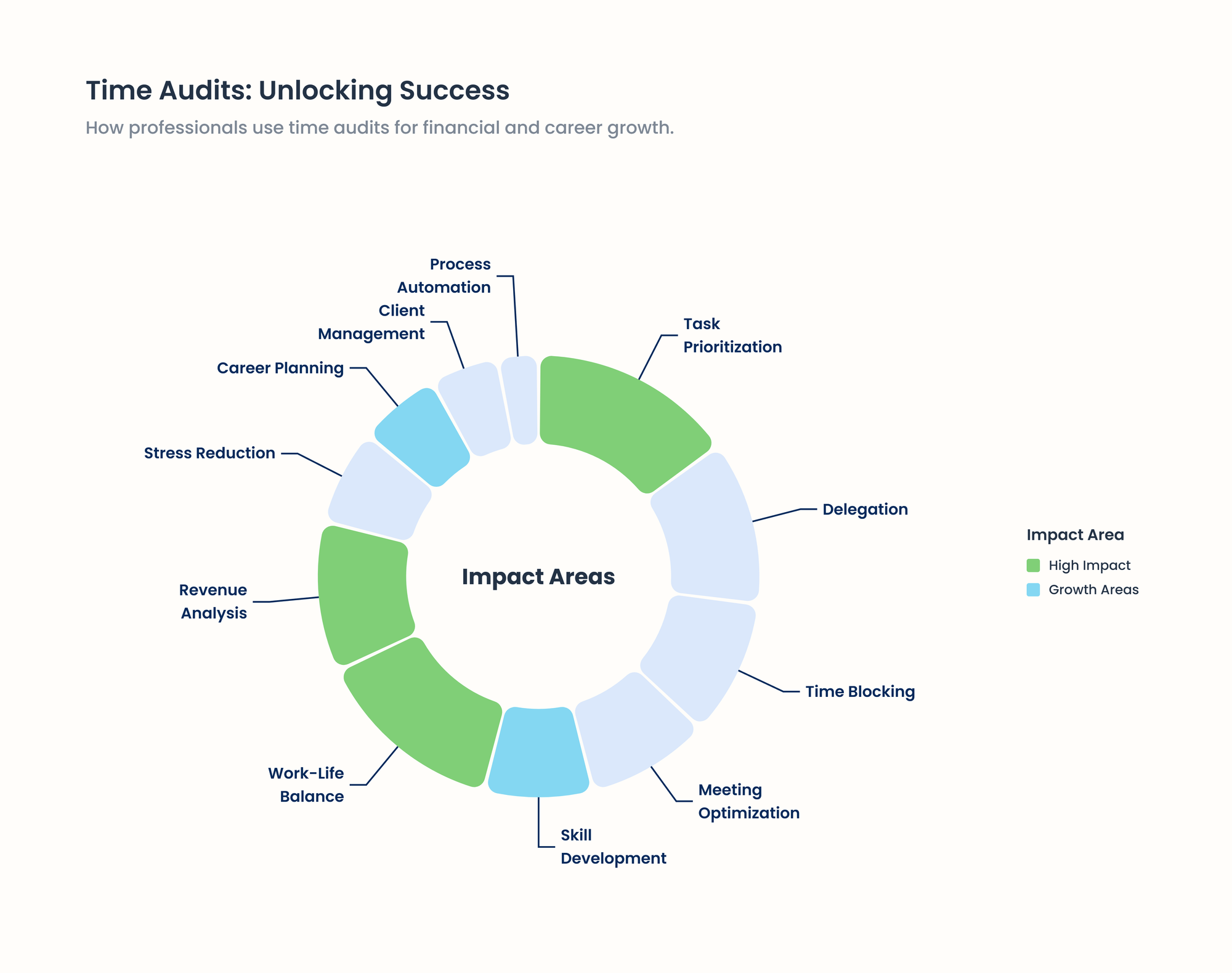
Look for patterns:
- When you do your best work
- Where interruptions hit
- What keeps expanding
This is where most assumptions break.
2) Set 1–3 goals per quarter
More than that, and nothing sticks.
Tie your weeks to those goals. Otherwise, your days drift.
For weekly priorities, set three. If they don’t get protected space, they don’t get done.
3) Design your calendar
This is where things change.
- Mornings: deep work
- Midday: communication
- One meeting-free block per week
And buffers. Always buffers. Without them, everything runs late and spills over.
Nick Wiese, Regional Vice President at Priority One Heating & Air Conditioning, manages teams where schedules shift constantly due to field demands and urgent jobs.
He says, “If you don’t leave space between commitments, the entire day breaks the moment something runs late. In service businesses, delays are normal. The only way to stay on track is to plan for disruption, not pretend it won’t happen.”
4) Connect your tools
Reduce friction. Scheduling links instead of back-and-forth. Calendar synced with your tools. Minimal notifications.
Every small friction point compounds across the week.
5) Delegate deliberately
Make a “stop-doing” list. Then act on it:
- Delegate
- Automate
- Delete
If it stays on your list week after week, you’re avoiding the decision.
6) Review and adjust
Not a full review. Just enough.
- Daily: what actually matters today?
- Weekly: what got deferred? Why?
- Monthly: where did your time really go?
Balancing Business and Personal Life
There’s no clean split. Some weeks lean heavy on work, others don’t.
What matters is that you decide what’s fixed.
Set boundaries you can actually keep:
- Who can book your time
- When you’re available
- What’s non-negotiable
Schedule personal commitments first. The people who last treat recovery as part of the system.
Your Next Steps
Look at your calendar. It already shows you what you prioritise.
If it doesn’t match what actually matters, nothing else will fix that.
Start small:
- One protected time block
- One task to delegate
- One tool to simplify
That’s enough. Do it consistently, and the difference shows up fast.
If your calendar still feels reactive, it’s worth stepping back and rethinking how you structure your time. Platforms like Book Like a Boss help you simplify how conversations and decisions happen, so your day isn’t constantly fragmented.


