Many businesses operate in crowded markets where competitors appear remarkably similar. Their websites look professional, their services seem comparable, and their pricing often falls within the same range. When customers struggle to identify meaningful differences, trust becomes one of the most important factors influencing their decision.
People naturally look for signals that reduce uncertainty and help them feel confident about moving forward. Reviews, transparency, responsiveness, credibility, and overall customer experience often carry more weight than small differences in features or pricing. While businesses frequently focus on branding and marketing, customers are usually focused on something simpler: which business feels safest, most reliable, and most likely to deliver on its promises.
When products, services, and pricing appear similar, the businesses that create confidence before the first purchase often gain a significant advantage.
1. Social Proof, Transparency, and Competence Reduce Risk
When comparing similar businesses, customers often seek reassurance from other people. Reviews, testimonials, case studies, and client success stories provide evidence that a business can deliver results and fulfill its promises. Positive experiences from existing customers help reduce uncertainty and increase confidence.
Transparency strengthens trust even further. Clear pricing, straightforward policies, realistic expectations, and honest communication help customers feel informed and in control. Businesses that openly address questions, limitations, and even criticism often appear more credible than those relying solely on polished marketing messages.
Customers are ultimately looking for proof of competence. They want confidence that a business has solved similar problems before and can reliably deliver the outcomes they need.

2. Human Connection Builds Trust Beyond Branding
While branding creates first impressions, trust is often built through human interactions. Customers pay close attention to how businesses communicate, respond to questions, and handle concerns throughout the buying process.
Fast responses, helpful guidance, and genuine empathy demonstrate reliability and care. People remember how businesses make them feel, and positive interactions often create stronger trust than advertisements or promotional content. Leadership visibility, authentic communication, and approachable customer service can further strengthen credibility because they make businesses feel more transparent and relatable.
When competitors offer similar products or services, meaningful relationships often become one of the hardest advantages to replicate.
3. Consistency, Reliability, and Customer Protection Strengthen Confidence
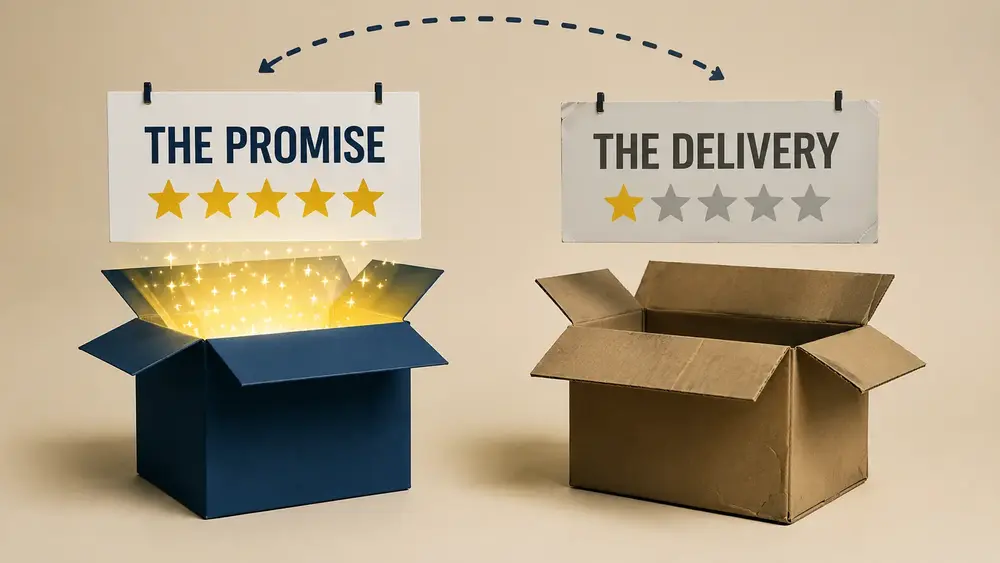
Trust grows when businesses consistently do what they say they will do. Customers evaluate reliability through every interaction, from marketing messages and sales conversations to onboarding, delivery, and support. When expectations consistently match reality, confidence increases over time.
Customers also want reassurance that businesses are acting in their best interests. Clear communication, ethical behavior, transparent policies, and responsible handling of customer information all contribute to trust. As concerns about privacy and security continue to grow, customers increasingly evaluate whether businesses protect their information and communicate openly about how it is used.
Businesses that consistently demonstrate integrity, reliability, and customer-first behavior often earn stronger loyalty because they make customers feel respected, informed, and protected.
4. Authenticity and Shared Values Create Lasting Loyalty
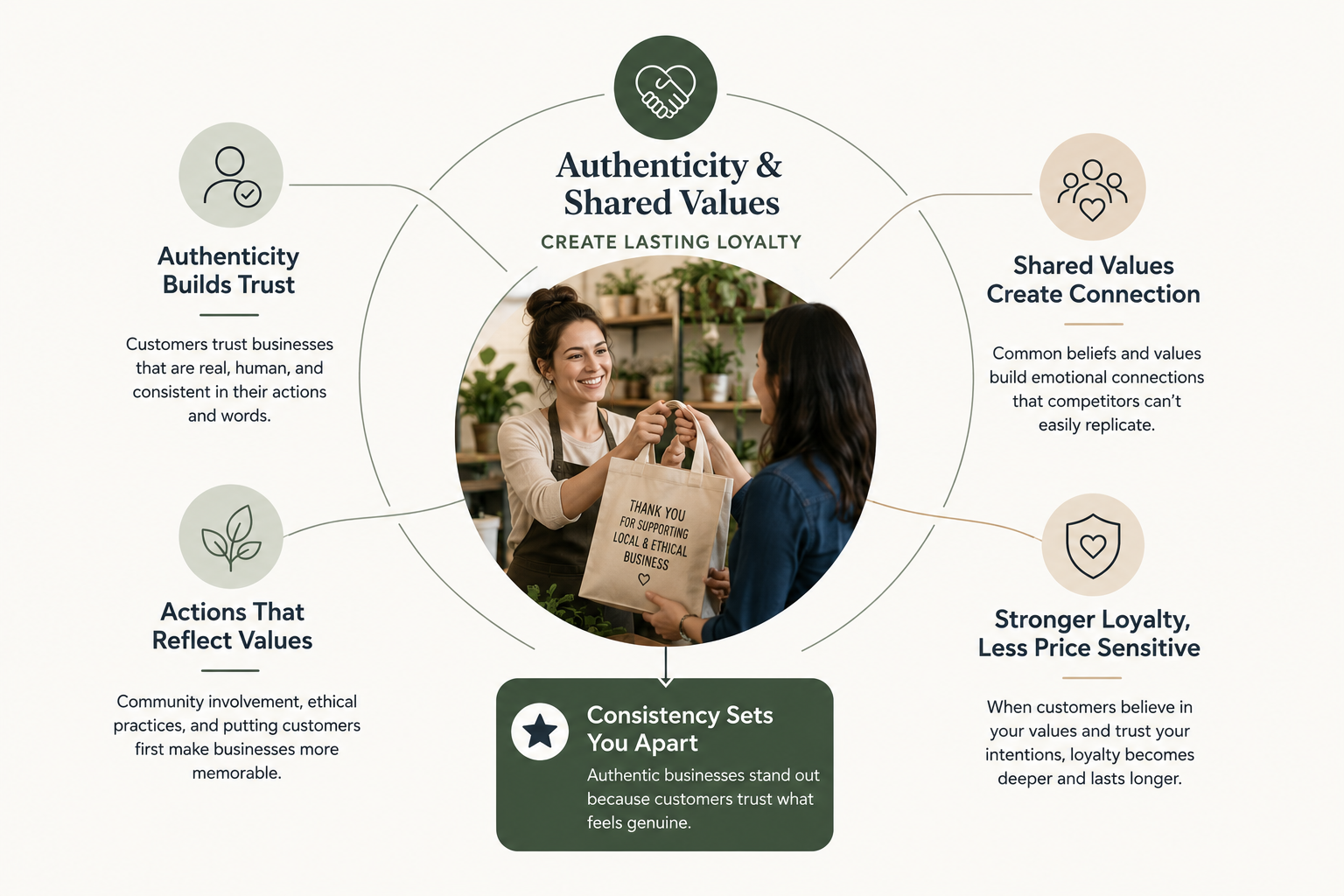
Customers increasingly look beyond products and services to evaluate what businesses stand for. Authenticity creates trust because it helps businesses feel human, genuine, and relatable. People are more likely to trust companies whose actions consistently align with their stated values.
Shared values can strengthen emotional connections that competitors struggle to match. Community involvement, ethical business practices, and genuine commitment to customers often make businesses more memorable than promotions or discounts alone. When customers identify with a business's values and believe its communication is sincere, loyalty tends to become stronger and less dependent on price.
Businesses that consistently demonstrate authenticity often stand out because customers trust what feels genuine.
Conclusion
When businesses offer similar products, pricing, services, and branding, trust often becomes the deciding factor. Customers naturally gravitate toward businesses that feel reliable, transparent, competent, and genuinely invested in their success.
Trust is built through many small signals working together: social proof, honest communication, strong customer service, consistent experiences, responsible business practices, and authentic relationships. Over time, these signals create confidence that extends beyond a single purchase.
Ultimately, businesses that prioritize trust-building create stronger loyalty, stronger reputations, and stronger long-term growth. When everything else looks similar, trust is often what turns prospects into customers and customers into advocates.
FAQs
1. Why do customers choose one business over another when both look similar?
When businesses appear similar in pricing, services, and branding, customers often rely on trust to make their decision. Reviews, transparency, customer experience, and credibility signals help them determine which business feels safer and more reliable.
2. How important are reviews and testimonials in building trust?
Reviews and testimonials provide social proof that other customers have had positive experiences. They help reduce uncertainty and give potential clients confidence that the business can deliver on its promises.
3. What role does customer service play in earning trust?
Customer service is often one of the strongest trust-building factors. Fast responses, helpful communication, and genuine care demonstrate reliability and show customers that the business values their experience and success.
4. Can transparency really influence buying decisions?
Yes. Clear pricing, honest communication, straightforward policies, and realistic expectations help customers feel informed and confident. Transparency reduces perceived risk and often makes a business appear more trustworthy.
5. How can a business build trust if it offers similar services to competitors?
Businesses can build trust by consistently delivering results, communicating honestly, showcasing customer success stories, responding professionally to feedback, and creating authentic relationships with customers. These trust signals often become the deciding factor when competing offers look alike.